
Discover the Best Premium Ready to Drink Cocktails for Every Occasion
Premium ready to drink cocktails are precisely pre-mixed, bottled beverages crafted with top-tier spirits and quality ingredients, designed to deliver a bar-grade experience without any preparation. They work by combining measured portions of liquor, modifiers, and fresh flavors into a sealed container, ensuring consistent taste and aroma with every pour. Their value lies in offering immediate enjoyment—just chill, open, and serve—while eliminating the need for specialized tools or multiple bottles. For best results, shake or stir the cocktail before serving over ice to fully integrate its layered components.
What Exactly Makes a Bottled Cocktail “Premium”?
A premium ready to drink cocktail is defined by the quality of its base spirits, not the mixer. It uses full-strength, branded liquors rather than low-proof neutral grain alcohol. The freshness of ingredients matters: real citrus juice, small-batch bitters, and natural botanicals replace artificial flavorings and high-fructose syrups. Production methods like cold-pressing, nitrogen-flushing, and small-batch batching preserve volatile aromatics that mass-produced cans lose during heat pasteurization. A key differentiator is the absence of sulfites and preservatives, which requires a shorter shelf life but delivers a crisper, cleaner taste. The final ABV should generally exceed 15% to mimic a bar pour, not a malt beverage. Balance is paramount—the sugar level, acidity, and bitterness must be calibrated so the cocktail tastes like it was just shaken or stirred, not diluted or overly sweet.
Checking the Proof: Why Higher ABV Signals Quality

Checking the proof is the fastest shortcut to spotting a premium ready-to-drink cocktail. A higher ABV signals quality because it forces the brand to use real spirits and less dilution, preserving the drink’s structural integrity. While mass-market cans sit at 5–7% ABV, often masked with heavy sugar, premium RTDs land between 15–20%, meaning you taste the base spirit and botanicals, not just syrup. This proof point also ensures the cocktail survives ice melt without turning watery, delivering a bar-relevant experience at home. **Higher ABV signals quality** because it mathematically cannot hide cheap filler. Ask this before buying: Does the proof match a freshly poured cocktail?
Q: Why does higher ABV in a ready-to-drink cocktail indicate a better product?
A: Because it proves the liquid is spirit-forward, not juice-and-sweetener-forward, so you get authentic flavor intensity and a balanced sip with every pour.
Real Ingredients vs. Artificial Mixers: What’s in the Bottle
The true divide between a standard canned cocktail and a premium ready to drink cocktail often lies in the first three ingredients listed. Real ingredients mean visible citrus oils, natural cane sugar, and botanical distillates that create a rounded, aromatic profile. Artificial mixers rely on high-fructose corn syrup and synthetic flavorings, which produce a sharp, one-dimensional sweetness and a harsh chemical finish on the palate. When you flip the bottle, look for cold-pressed juices and explicit spice extracts rather than vague “natural flavors.” A real lime cordial will taste tart and complex, not like a candy drop. Every sip of a premium option should evolve, whereas an artificial blend tastes the same from first pour to last drop.
Q: Why do real ingredients change the drinking experience more than the alcohol proof?
A: Because real ingredients interact with the spirit’s congeners, softening the ethanol burn and releasing layered notes of zest or herbs. Artificial mixers coat the tongue with a sticky residue, masking the base liquor entirely and leaving a cloying aftertaste that no amount of chilling can fix.
Small-Batch Production and How It Changes the Flavor
Small-batch production is where premium RTD cocktails really earn their stripes, because it directly impacts how they taste. Instead of blasting out thousands of gallons at once, makers can dial in flavor precision with fresh ingredients, like hand-zested citrus or cold-pressed juices, that would degrade in a massive tank. Smaller volumes mean shorter time from mixing to bottling, so volatile aromatics and delicate botanicals stay bright and lively, not cooked or muted. You also get better control over dilution and carbonation, so each sip feels balanced, not watery or sharp. Essentially, small batches let the recipe shine the way a bartender intended, rather than surviving industrial-scale compromises.
How to Choose the Right Craft Cocktail for Your Taste
To choose the right premium ready-to-drink cocktail, start by identifying your baseline spirit preference—vodka offers a clean canvas, while whiskey or mezcal demand richer, smokier profiles. Next, read the label for real juice and small-batch bitters; artificial flavors signal a shortcut. If you crave brightness, a grapefruit or yuzu-forward spritz beats a heavy Manhattan; for dessert, seek a barrel-aged Old Fashioned with vanilla depth. **Always match the cocktail to the moment:** a highball for warm evenings, a stirred negroni for slow dinners. Q: What if I love both sweet and tart? A: Choose a Paloma or a rum daiquiri—they balance citrus with natural cane sugar, ideal for premium RTDs. Trust your palate’s first instinct, and let the bottle’s proof guide your pour.
Matching a Premium Drink to Your Spirit Preference
Start with your go-to bottle. If you crave smoky, peaty scotch, grab a ready-to-drink old fashioned built on a high-rye bourbon or a touch of Islay whisky for that campfire kick. Vodka loyalists should hunt for a crisp martini or a bright cosmopolitan where the spirit stays clean and neutral, letting citrus or elderflower shine. For gin fans, a Negroni or a gin-and-tonic RTD with botanical-forward juniper will hit the mark, while rum lovers should chase a daiquiri or a mai tai that leans on aged, molasses-rich blends. Tequila purists need a spicy paloma or a margarita with 100% agave, no added sweetness. Ultimately, matching a premium drink to your spirit preference means scanning the label for the base spirit first, then checking the mixer ratio—so you get the flavor profile you already love, without the bartending work.
Pick your favorite spirit, scan the RTD label for that base, and let the cocktail’s supporting flavors follow—so every sip tastes like your usual order.
Sweet, Dry, or Smoky: Reading the Tasting Notes
When selecting a premium ready to drink cocktail, reading the tasting notes is your fastest route to a satisfying pour. Sweet profiles, often flagged by notes of caramel, honey, or ripe fruit, suit dessert-forward palates and pair well after dinner. Dry labels hint at citrus zest, herbal bitterness, or a clean, sharp finish—ideal for those who prefer crisp, less sugary sips. Smoky descriptors, featuring peat, char, or toasted oak, signal depth and are perfect for bourbon or mezcal lovers. Follow this quick sequence:
- Scan the first listed flavor—it indicates the dominant taste.
- Check for a secondary note (e.g., “vanilla” over “oak”) to gauge sweetness.
- Look for finish language: “lingering smoke” means bold, “quick and clean” means light.
Trust the exact words on the can; they mirror the liquid’s true character.
Serving Size and Shelf Life: What to Expect Per Bottle
Most premium ready to drink cocktails are bottled in single-serve formats—typically 100 to 200 milliliters—delivering one to two standard drinks per bottle, so check the alcohol by volume (ABV) to gauge actual serving strength. Shelf life depends on packaging: sealed bottles last 6 to 12 months unrefrigerated, but once opened, carbonated variants lose fizz within 24 hours, while spirit-forward blends remain stable for up to two weeks if resealed and chilled. Expect a shorter post-open freshness window when the cocktail includes citrus or dairy, which degrade faster than barrel-aged or stirred-only recipes. Always consume a partially used bottle within three days if it contains vermouth or fresh juice. Follow this sequence: inspect the best-by stamp, note the ABV, then decide whether a single sitting matches your pour.
Getting the Most Out of Your Ready-to-Serve Drink
To get the most out of your premium ready-to-serve cocktail, treat it as a crafted base, not a finished afterthought. Chill the bottle deeply—not over ice—to preserve the intended dilution and silky mouthfeel. Pour into a pre-chilled glass, then awaken aromatics with a fresh twist of citrus peel expressed over the surface. For spirit-forward blends, let the drink rest 30 seconds to let bonded flavors unfurl. If the profile allows, add one large, clear ice cube only after tasting the undiluted version; this controls melt-rate and progression.
A premium cocktail’s final flourish is restraint—never mask with mixers, just garnish with a single, quality element that echoes its botanical backbone.
Finally, consume within the first 20 minutes, as separating layers or warming will mute the balance the bartender engineered.
Chilling, Shaking, or Pouring Over Ice: Best Practices
To get the most from your premium RTD, never skip the chill. Chilling, shaking, or pouring over ice transforms a flat sip into a bar-quality moment. First, freeze the bottle for at least two hours—this keeps dilution minimal. If it’s a stirred-style drink (like a Negroni), just pour over one large ice cube to avoid melting. For citrus-forward or creamy cocktails, shake with ice for 10 seconds, then strain. This adds a silky texture. Follow this simple sequence:
- Chill the bottle upright.
- Shake hard for 10–15 seconds if it contains juice or cream.
- Pour over a single clear cube, not crushed ice, to preserve flavor.
Always taste before adding extra mixers—these are pre-balanced.
Glassware and Garnishes That Elevate the Experience
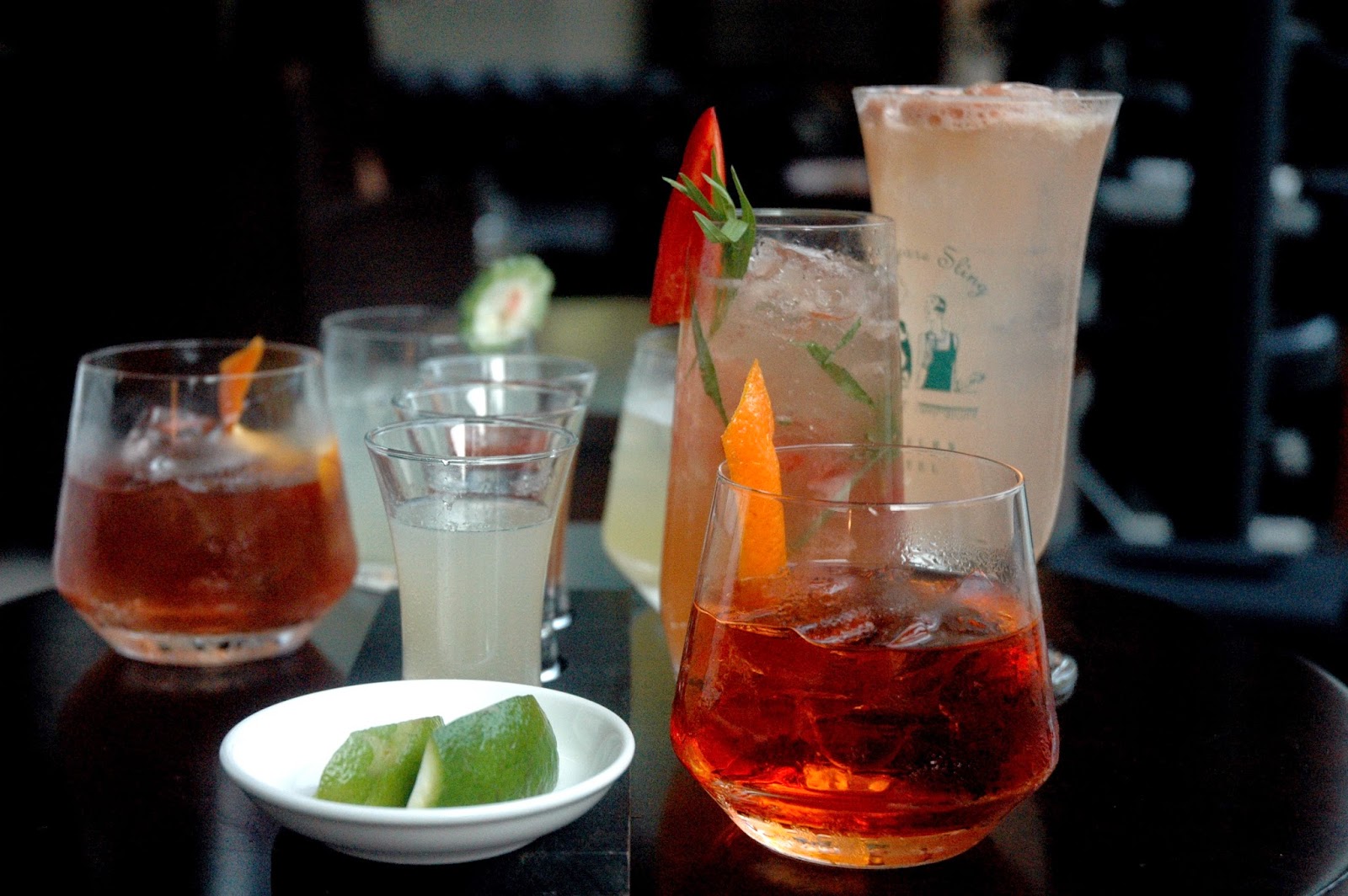
The right glassware transforms a premium ready-to-serve cocktail from a convenient pour into a ritual. A chilled coupe sharpens the botanical notes of a gin martini, while a heavy rocks glass keeps your Negroni cold without rapid dilution. Always match the vessel to the drink’s intended character—tulip glasses trap aromatics for spirit-forward sips. Garnishes are not decoration; they are interactive flavor tools. A expressed orange peel oils the surface of an Old Fashioned, while a skewered luxardo cherry adds a sweet counterpoint. For a smoky margarita, a flamed rosemary sprig releases oils that mimic barrel aging. Even a simple lime wheel, dehydrated or fresh, signals care. These elements create **a sensory lift that makes ready-to-serve feel bespoke.
Pairing Your Pre-Made Cocktail with Food at Home

Pairing your pre-made cocktail with food at home is where the real fun begins, turning a simple pour into a mini tasting menu. Think of your canned Negroni’s herbal bitterness as a perfect counterweight to salty, oily dishes like fried calamari or a charcuterie board. A citrus-forward margarita, meanwhile, begs for spicy tacos or grilled fish, as the acid cuts through the heat and smoke. For creamy cocktails like an espresso martini, reach for dark chocolate or a nutty dessert to mirror its richness. Smart home cocktail pairing elevates any weeknight meal without effort—just pour, taste, and adjust your plate.
- Match herbal or bitter drinks with fatty, salty snacks like olives or aged cheese.
- Use bright, citrusy cocktails to balance spicy or fried foods.
- Pair sweet, creamy drinks with equally rich desserts, not light fruit.
The Hidden Benefits of Buying High-End Premixed Drinks
Beyond convenience, buying high-end premixed drinks unlocks a quiet luxury: consistency you can’t replicate at home. When you uncap a premium ready-to-drink cocktail, you’re getting the exact ratio a top bartender spent years perfecting—no over-dilution, no harsh bite from a shaky pour. This is the hidden benefit of buying high-end premixed drinks: they transform your evening into a ritual. You’re not mixing; you’re pouring a story. One that starts with small-batch bitters and ends with a finish that lingers like a memory. The hidden benefit is that you buy back time and taste simultaneously.
The real payoff? You get a flawless Negroni at 9 PM on a Tuesday, without your kitchen smelling like a dive bar.
That ease lets you host confidently, offer a guest a glass that feels curated, and step out of the role of “amateur mixologist” into the role of simply enjoying the moment.
Consistency in Every Glass: No More Guessing Recipes
With premium ready-to-drink cocktails, consistent flavor in every pour eliminates the guesswork of hand-built drinks. You never wonder if that bartender’s spec was heavier on bitters or lighter on citrus—each bottle mirrors the last, exactly as the mixologist intended. Hosting becomes effortless: no frantic recipe checks, no improvised substitutions when you run out of vermouth. Even your signature serve tastes identical whether it’s your first sip or your fifth. The process is simple:
- Shake or stir the bottle per its label.
- Pour over fresh ice or a chilled coupe.
- Garnish minimally, then enjoy the same balanced sip every time.
That reliability turns an ordinary evening into a ritual you can trust.
Less Waste and No Need for a Full Home Bar Setup
Choosing premium ready-to-drink cocktails means you skip the graveyard of half-used bottles, syrups, and mixers that typically clutter your counter. No need for a full home bar setup translates directly to fewer single-use purchases and less spoilage, since each can is portioned perfectly. You eliminate the waste of oxidized vermouth and flat tonics, buying only what you will actually enjoy that evening. Instead of stocking ten bottles for one recipe, you simply chill a few cans. This streamlined approach reduces packaging and ingredient discard dramatically, letting you savor a top-shelf Negroni without the guilt of pouring leftovers down the drain—just crack, pour over ice, and enjoy zero residual waste.
Hospitality-Level Quality Without the Bartender’s Skills
Hospitality-level quality in premium ready-to-drink cocktails hinges entirely on precision, not technique. The manufacturer’s laboratory replicates the exact dilution, sugar-acid balance, and carbonation that a professional bar achieves through timed shaking and stirring. Your role is reduced to temperature control—chilling the vessel properly—since the liquid already possesses the correct mouthfeel and flavor integration. This eliminates errors like over-dilution or inconsistent citrus zest oils, which plague home mixing. You get the same structural integrity as a cocktail poured in a high-end lounge, but without the need for jiggers, strainers, or muscle memory. The logical result is a glass that tastes identical to a bartender’s product, sourced from laboratory-grade consistency and recipe lock.
Can you truly match a bar’s output without any bartending skill? Yes, because the bottleneck in home bartending is almost always execution timing, not ingredient quality. These drinks pre-solve that variable, so your only physical action is pouring and garnishing—the final product’s texture and strength are already calibrated to professional standards, making skill irrelevant to the outcome.
Common Questions About Upscale Canned and Bottled Drinks
Common questions about upscale canned and bottled drinks often focus on shelf stability and ingredient integrity. Buyers frequently ask whether premium ready to drink cocktails truly maintain their flavor after months in a can, and the answer lies in nitrogen-flushed packaging and cold-chain storage. Another frequent query involves the absence of preservatives—many assume upscale means short-lived, but high-proof spirits and low-pH citrus variants naturally safeguard quality. People also wonder about the ideal serving temperature; these premium ready to drink cocktails generally taste best poured over ice, not chilled straight in the can. Finally, questions arise about sediment or separation—a harmless layer indicates fresh juice, so shaking vigorously before serving restores the intended silky texture. For upscale canned and bottled drinks, clarity about these practical details helps consumers trust the product’s convenience without sacrificing craft credentials.
Are These Cocktails Safe to Store for Months?
When you stash a premium ready-to-drink cocktail in your pantry, its safety over months hinges on three factors: packaging, alcohol content, and acidity. Sealed cans or bottles with a pH below 4.6 and ABV above 10% create an inhospitable environment for pathogens, making long-term cocktail storage safety a matter of chemistry, not luck. However, flavor degradation—especially citrus oils and botanicals—can occur after six months, even if the drink remains safe. Always check for bulging lids or off-odors before sipping. Once opened, refrigeration changes the clock, so finish within days, not months.
How Many Servings Do You Actually Get Per Bottle?

The stated servings on premium ready to drink cocktail bottles rarely match reality, as standard pours at home are typically larger than the 1.5-ounce industry measure. A 750ml bottle yields roughly five 5-ounce drinks, but most people pour 6 to 8 ounces, dropping the actual count to three or four servings. For a 200ml single-serve can, you get exactly one drink, despite some brands advertising two. Check the alcohol by volume (ABV) and total volume, then calculate your typical pour—not the label’s ideal—to avoid over-serving. Actual servings per bottle depend on your glass size.
- Divide total milliliters by 150 (a 5-ounce pour).
- Round down by one to account for spillage and ice melt.
- Multiply that number by your usual ABV to gauge strength.
Can You Customize a Premade Cocktail Without Ruining It?
Yes, you can customize a premade cocktail without ruining it, provided you respect its existing balance. Start by tasting the base product to identify its dominant notes—acidic, sweet, or spirit-forward—then make additive adjustments that complement, not mask, that profile. A splash of citrus or a saline solution can brighten a flat margarita, while a teaspoon of rich syrup can mellow an overly bitter espresso martini gift set Negroni. For garnish-based customization, swap a standard orange twist for a expressed grapefruit peel to add aromatic complexity without altering the liquid’s engineered ratios. Avoid adding extra alcohol directly, as this disrupts the intended ABV and can thin mouthfeel; instead, consider a rinse of a stronger liqueur in the glass. The goal is to enhance, not reconstruct, and incremental changes preserve the premade integrity.
Customization works when you make small, flavor-complementary tweaks—like citrus, salt, or alternate garnishes—while avoiding direct alcohol additions, keeping the premade cocktail’s core structure intact.