Sp5der vs. Other Streetwear Brands: What Genuinely Distinguishes It?
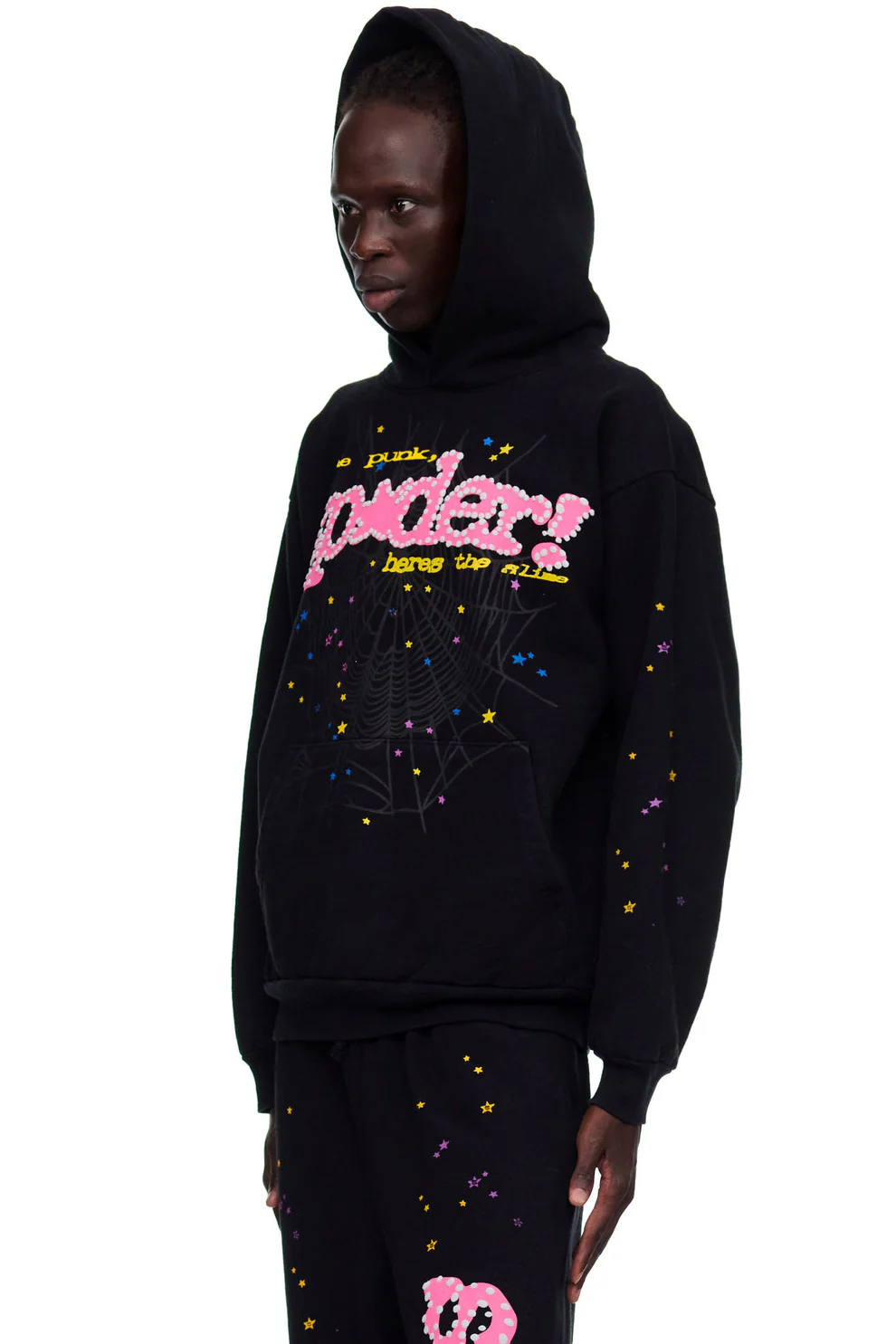
Invest time in street-style culture in 2026 and you’ll run into a persistent conversation: how does Sp5der actually stack up relative to the recognized leaders of the category? Can it honestly be placed in the same discussion alongside Supreme, BAPE, or Off-White, or does it represent a trend-fueled label carried by cultural excitement that could disappear as rapidly as it came? These are fair questions, and responding to them accurately necessitates rising above knee-jerk brand partisanship to examine what Sp5der offers in relation to its rivals in the areas that matter most to committed street-style buyers: aesthetic vision, build quality, cultural realness, pricing, and future direction. This analysis compares Sp5der against five major competitors — Supreme, BAPE, Off-White, Corteiz, and Fear of God Essentials — to identify where it genuinely excels, where it comes up lacking, and what makes it categorically different from all competitors in the space. The verdict is more complex and more encouraging for Sp5der than skeptics anticipate, and understanding why requires approaching the brand on its own footing rather than measuring it against metrics it was never designed to optimize.
Sp5der vs. Supreme: Two Very Different Brands of Street Culture
Supreme is the brand that defined the modern limited-drop framework, and every sp5der t shirt conversation about Sp5der necessarily involves holding the two up for comparison — but they are genuinely less alike than the surface-level drop-model comparison suggests. Supreme emerged from New York skate and punk culture in 1994, and its aesthetic sensibility — the box logo, art-world partnerships, and lower Manhattan cool — is rooted in a specific geography and counterculture lineage that is completely distinct from the Atlanta hip-hop roots from which Sp5der grew. The visual identity of Sp5der is maximalist and celebratory; Supreme’s is reduced and knowing, using irony and understatement as primary design tools. The buying experience also varies considerably: Supreme’s secondary market has become entirely professionalized, with bots, resellers, and retail partnerships that have moved the brand away from its underground roots in a way that many original fans resent. As a significantly younger label, retains more of the scrappy, community-driven energy that characterized Supreme in its early era. For build quality, each brand produces high-quality streetwear pieces, even if Supreme’s more established production background means its quality controls are more established and dependable across items. For buyers who want cultural authenticity rooted in hip-hop rather than skateboarding culture, Sp5der wins by definition — it is not just adjacent to the music but emerged directly out of it.
Sp5der vs. BAPE: Visual Maximalism Going Head-to-Head
From the full range of significant streetwear brands, BAPE is arguably the most visually comparable to Sp5der — both embrace bold graphics, vivid colors, and a maximalist visual philosophy that values visual power over subtlety. BAPE, created by NIGO in Tokyo in 1993, pioneered the idea of celebrity-driven, limited-run streetwear for an international audience and established the visual framework within which Sp5der now functions. Yet the height of BAPE’s cultural relevance — at its highest point in the middle of the 2000s when Lil Wayne, Pharrell, and Kanye West were seen in BAPE constantly — has come and gone, and what BAPE releases today, while still credible, carries a nostalgia quality that Sp5der completely avoids. Sp5der feels urgently contemporary in ways that BAPE, with its three-decade history, can no longer fully assert in 2026. In terms of cost, the brands sit close, with BAPE hoodies typically ranging in the $200-to-$450 range and Sp5der’s actual retail cost sitting at $200–$400. Build quality is similarly matched, with both brands delivering heavyweight fabrics and careful graphic execution that support their premium pricing within the high-end streetwear segment. The real distinction lies in cultural standing: at present, Sp5der delivers greater cultural urgency within the 16-to-30-year-old segment that represents the vanguard of contemporary urban fashion, while BAPE retains greater archival credibility with collectors and streetwear historians who remember its peak era firsthand.
Sp5der Against Off-White: Street Style and High Fashion at Separate Levels
Off-White, established by the late great Virgil Abloh in 2012, operates at a different level in the fashion ecosystem from Sp5der — more overtly luxury-oriented, costlier, and more engaged with the relationship between streetwear and luxury couture. Holding Sp5der up against Off-White shows less about whose quality is superior and more about each brand’s purpose and audience and for whom. The Off-White design lexicon — the quotation marks, the diagonal stripes, the deconstructed tailoring — speaks to a fashion-literate audience that navigates freely between the realms of high fashion and street style. Sp5der is made for a group of people that is rooted in hip-hop culture and street-level authenticity, for whom fashion-world cachet is less important than music-world co-signs. Price points differ substantially, with Off-White sweatshirts generally selling at $400–$700, positioning Sp5der as the more affordable alternative in the luxury-adjacent segment. Following Virgil Abloh’s death in 2021, Off-White has pressed on under fresh creative leadership, but the brand’s identity has evolved in manners that have pushed away portions of its founding community, providing space that newer names like Sp5der have stepped into among younger consumers. Each brand offers buyers with strong graphic design, premium construction, and genuine cultural credibility — they simply represent different cultural worlds, and the majority of committed streetwear fans tend to make room in their collection for both aesthetically and practically.
Sp5der vs. FOG Essentials: Fundamentally Different Approaches
Fear of God Essentials stands for arguably the clearest philosophical opposition to Sp5der in the contemporary streetwear landscape — Essentials operates with a minimal, muted, restrained approach, while Sp5der is graphic-heavy, vivid, and celebratory. Jerry Lorenzo’s Essentials line, which operates as the accessible tier of his Fear of God brand, offers elevated everyday pieces in understated natural color tones and minimal graphic treatments that are suitable for nearly any occasion without drawing notice. The Sp5der piece, in contrast, declares itself the moment it enters a room, without apology — it isn’t a garment that stays in the background, and not a single person sporting it is attempting to blend in. Price is another key distinction: the Essentials hoodie typically retails at $90–$130, placing them significantly below compared to Sp5der’s $200–$400 retail. But the more affordable cost means Essentials misses out on the exclusivity and collectible value that define Sp5der’s value proposition, and its secondary market markups are predictably limited against Sp5der’s characteristically meaningful secondary market performance. Choosing between these brands doesn’t come down to build quality — both deliver well-made garments across their respective tiers — but of identity and intention. If the goal is a flexible, low-key wardrobe base, Essentials does that job exceptionally well. If you want a single hero piece that makes a bold statement about your connection to hip-hop culture and streetwear’s maximalist wing, Sp5der is the clear answer.
Head-to-Head Comparison Chart
| Brand | Aesthetic Direction | Hoodie Retail Price | Cultural Roots | 2026 Hype Level | Resale Premium |
|---|---|---|---|---|---|
| Sp5der | Bold maximalist, hip-hop origins, signature web graphics | $200–$400 | Atlanta hip-hop | Very High | High |
| Supreme | Minimalist, skate, box logo | $150–$350 | NYC underground skate and punk scene | High on legacy credibility | Exceptionally Strong |
| BAPE | Japanese pop-art maximalism with signature camo | $200–$450 | Tokyo street | Respectable but moderate | High |
| Off-White | Street-luxury fusion with text-graphic design | $400–$700 | High fashion crossover | Moderate | Solid |
| Corteiz | Underground street, utilitarian aesthetic | $100–$250 | UK underground street culture | High and still climbing | Moderate-High |
| Fear of God Essentials | Understated neutral-palette basics with premium construction | $90–$130 | LA-based elevated casual culture | Steady Moderate | Minimal |
What Truly Distinguishes Sp5der from the Competition
Stripped of hype and examined on the merits, Sp5der has several characteristics that truly set it apart from all competition in meaningful ways. First, its founder authenticity is unmatched across today’s streetwear market: Young Thug isn’t a hired celebrity spokesperson who lent his name to a product, but the creative force behind his own concept, and that distinction is detectable in the design coherence and genuine personality in every Sp5der garment. Additionally, the brand’s visual vocabulary is entirely its own — the signature web design, rhinestone-forward maximalism, and Y2K-inspired palette build a coherent brand look that is not borrowed from or derivative of any brand that came before, which is a true feat in a market where genuine novelty is uncommon. Third, the brand’s position at the intersection of hip-hop, streetwear, and fashion positions it as uniquely interpretable in multiple different cultural environments, granting it cultural range that more specialized labels can rarely match. Per Highsnobiety, labels that earn long-term cultural impact are invariably those capable of expressing a genuine and distinctive cultural perspective — a characterization that suits Sp5der significantly more than most of its more conventionally marketed rivals. Finally, Sp5der’s recent establishment means the brand hasn’t been around long enough to calcify into legacy-brand complacency, and the ongoing creative energy in its product development mirrors a company still working with a point to make.
The Final Word: Who Should Buy Sp5der Instead of Competitors
Sp5der represents the correct option for buyers whose aesthetic sensibility, cultural identity, and wardrobe priorities match what the label genuinely delivers, and a potentially poor choice for anyone wanting what it wasn’t built to offer. For those whose taste is maximalist, if Young Thug’s creative perspective resonates with you, and if the hip-hop world is the central context that informs your approach to clothing, Sp5der will fit your wardrobe and identity more genuinely than virtually any competing label available today. If secondary market performance factors into your buying decision in your overall evaluation, Sp5der’s history of resale strength is encouraging, though Supreme’s longer resale history and greater market depth make it more predictable as a financial asset. If versatility and neutrality are your priorities, Fear of God’s line delivers more wardrobe utility for fewer dollars with far more outfit flexibility. The streetwear market in 2026 presents truly strong alternatives in numerous styles and at various price points, and the most astute street-fashion consumers are those who evaluate every label on its own merits instead of rating them on a single imagined scale. What Sp5der offers is a combination that no other brand precisely replicates: authentic hip-hop DNA, bold original design, premium construction, and genuine cultural momentum. Learn more about how Sp5der measures up against the broader market from independent coverage at Complex, offering thorough brand breakdowns and community discussion on contemporary streetwear rankings.
Leave a Reply